Every Trendy Choker Comes with a Hidden Question
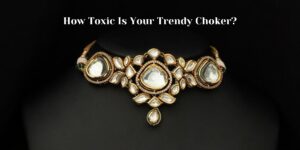
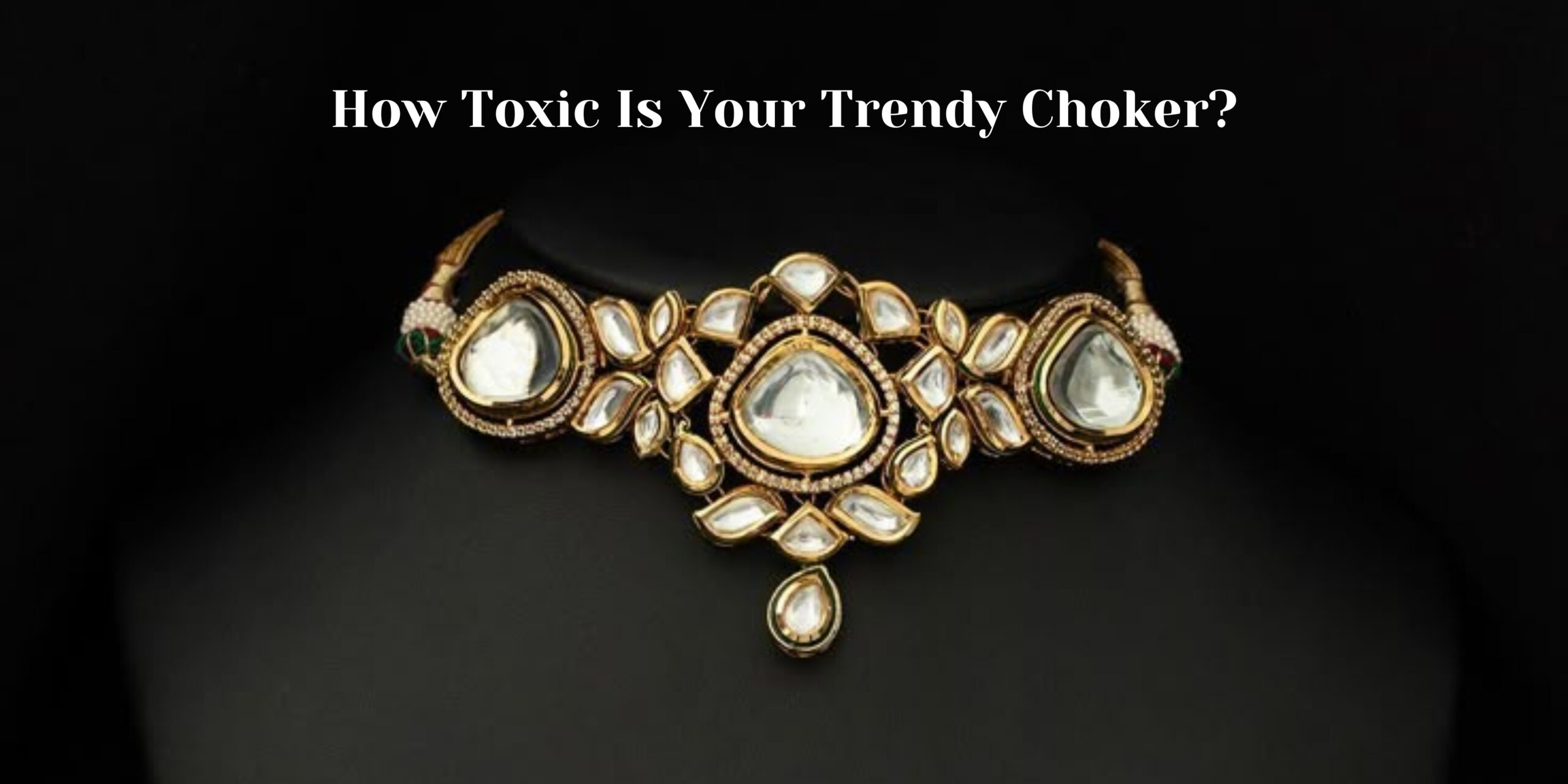
Each season brings a new wave of fashion-jewellery trends — bold cuffs, minimalist hoops, statement chokers. But beneath the shimmer lies a serious question global buyers are asking: what is actually inside these pieces we sell and wear? Recent investigations show many fashion accessories still contain unsafe levels of metals such as lead, cadmium and nickel. House of Aadyaa+3Jewellery Hat+3Boma Jewelry+3
For exporters, retailers and private-label buyers, the materials behind a necklace or choker can determine whether a product passes customs, satisfies market regulation or triggers a costly recall.
As global awareness grows, responsible sourcing and material transparency are no longer “nice-to-have” features — they are business essentials.
The Hidden Risk in Fast-Fashion Jewellery
The low-cost, high-volume nature of the fashion jewellery trade has always put pressure on suppliers to deliver style at speed. Unfortunately that often comes at the cost of safety.
Studies found that some inexpensive jewellery pieces release significant amounts of cadmium and lead when worn or handled over time. Miss Foxine Couture+1 Nickel, another common component, is one of the leading causes of allergic contact dermatitis worldwide. Wikipedia+2Jewellery Hat+2
While the numbers vary, the message is consistent: when materials aren’t tested or disclosed, buyers and exporters alike take on invisible risk that could surface later as consumer complaints, negative press or rejected shipments.
Why This Matters for Businesses
The problem isn’t confined to local markets. Global supply chains mean a choker made in one country can end up on a retail shelf half-a-world away.
In regions such as the EU and UK, strict regulations govern what metals can be used in consumer products. For example, the EU’s Nickel Directive sets limits, and in the U.S., the U.S. Consumer Product Safety Commission enforces tough rules on lead and cadmium levels.
Failing to comply isn’t just about fines or regulation. It affects:
- export credibility
- market access
- buyer trust
These are three cornerstones of any successful B2B relationship. For distributors and sourcing offices, just one shipment of non-compliant jewellery can compromise years of goodwill and raise risk with all buyers.
What Smart Buyers Are Demanding
The industry is witnessing a clear shift. Procurement teams at major retailers now insist on complete documentation: material declarations, test certificates, traceability reports.
Buyers no longer want to simply “source products.” They want to partner with suppliers who understand compliance, testing and responsible materials as part of their everyday process. This demand is reshaping the export landscape, pushing suppliers to think beyond design and embrace safety as part of quality.
A 2024 industry study notes that over 70% of fashion brands now include “material safety and traceability” in their supplier evaluation criteria — up from just ~38% five years ago. Miss Foxine Couture
This growth isn’t about bureaucracy; it’s about trust.
How Responsible Sourcing Protects Your Brand
Responsible sourcing is no longer limited to sustainable packaging or fair wages. It extends right down to the plating and alloy of a pendant or choker.
By choosing certified alloys, verified plating processes and transparent supply-documentation, exporters protect their buyers from costly mistakes. They also create a competitive edge, one based on reliability rather than price.
The brands that thrive in this environment are the ones that integrate testing and compliance from the start, not as an afterthought.
How Tivah Jewels Addresses This Challenge
At Tivah Jewels, fashion and responsibility go hand in hand. We partner only with verified material-suppliers, and every piece passes through stringent internal quality-controls before export.
Our teams work closely with trusted plating units that meet international standards for lead, cadmium and nickel limits.
We understand that global buyers expect transparency. That is why our documentation, sample testing and supplier-traceability protocols are aligned with EU and U.S. compliance-benchmarks.
For buyers, that means confidence, confidence that every choker, bracelet or earring from Tivah Jewels not only looks good but meets the highest standards of safety and integrity.
This is how we turn responsibility into a competitive advantage in a market that increasingly values both style and conscience.
Conclusion: The Future of Fashion Jewellery Is Transparent
The jewellery industry’s next wave of innovation won’t come from trends alone. It will come from trust.
Consumers and global retailers alike are demanding proof that what shines on the outside is just as safe on the inside. For brands and exporters, that means adapting — testing smarter, sourcing better, collaborating with partners who treat compliance as a core part of design.
The truth is simple. The most valuable accessory in the world of fashion jewellery today is not gold or silver. It is credibility.
If you’re a global buyer or private-label retailer looking for a partner who delivers trend-forward designs and material-safety you can document, let’s talk.
Contact Tivah Jewels today to access our full catalogue, request test-certificates and join us in building jewellery collections that stand for both style and integrity.
Reach out now — elevate your accessory game without compromising safety.